AI-Powered Platform Streamlines Personal Data Management and Insights for Cloud Privacy Solutions
Invented by SOHUM; Anuj Khanna, FOONG; Charles Yong Jien, RAMAKRISHNA; Madhusudana, Affle (India) Limited, India
Data is everywhere. Every day, people use devices and apps that collect personal information. With so much data, the challenge is not just storing it, but making sure it is safe, easy to organize, and used for our benefit. Artificial Intelligence (AI) can help, but it also brings questions about privacy. This article will help you understand a new patent application about how AI agents can manage data safely in the cloud. We will explain its background, compare it with other ideas, and show what makes this invention special.
Background and Market Context
Today, most of us use smartphones, laptops, and smart devices at home. Every click, search, and message creates new data. As technology grows, people are creating more data than ever. This includes what we buy, what we like, where we go, and even our health information. Companies want to use this data to give us better services and recommendations. But there is a problem: how do we keep our personal data private and safe, while still making it useful?
In the past, many systems stored data in big databases. These systems focused on saving and finding data when needed. But they often did not organize data in a way that made it easy to use for personal recommendations. Even worse, many did not keep data as secure as they should. News stories often talk about data leaks or people’s information being used without their permission. Users have become more worried about who has their data and how it is being used.
Another big trend is personalization. People want apps and websites to know their likes and dislikes, and to make smart suggestions. To do this, AI needs to look at all our data—what we did in the past, what we like now, and even things we might want in the future. But sharing all this information openly with AI can be risky. It can lead to privacy problems or misuse.
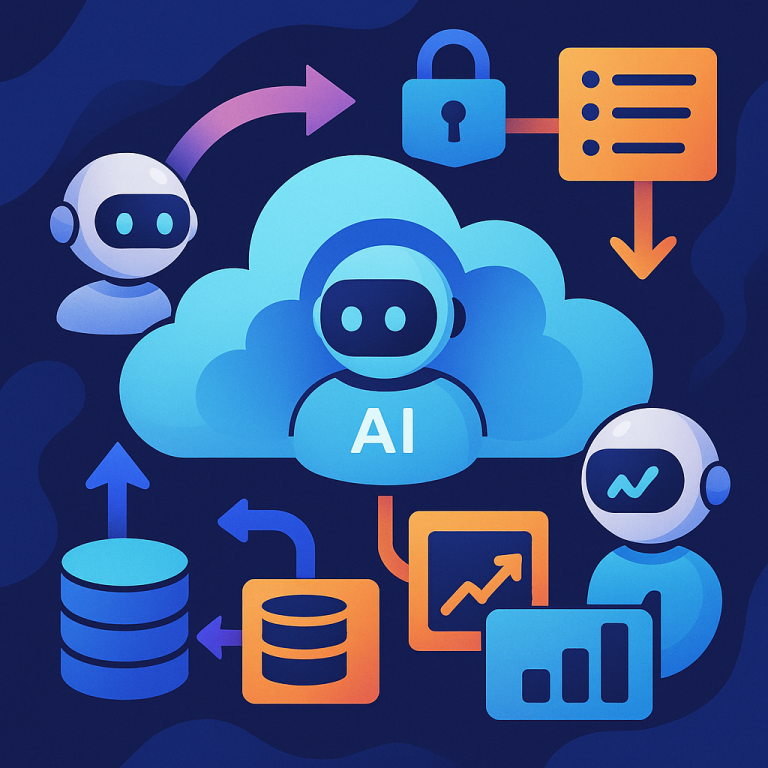
Companies have tried to solve this by giving users some control over their data, or by adding better security. But these changes are often small. There is still a big need for a system that can organize personal data, keep it safe, and use it to make our digital lives easier—without giving up privacy. This is where new inventions, like the one described in the patent application, come in.
This invention is designed for a world where many AI agents—think of them as digital helpers—work together in a secure cloud space. In this space, user data can be managed, categorized, and used to create personalized recommendations. The key is that all of this happens in a controlled, private environment, so users stay in charge of their data. The system also lets users choose what to share and with whom, making privacy a top priority.
Scientific Rationale and Prior Art
Let’s look at how data management and AI have worked before. Most old systems used simple storage methods. Data would be saved in big tables or files, and users could search for information when they needed it. These systems could tell you what you saved, but they were not smart. They didn’t know how to group data by type or use it to make predictions about what you might want or need.
Some newer systems added a bit of AI. For example, your email might suggest replies based on your writing style, or your shopping app might show you products like the ones you’ve bought before. These systems use algorithms to guess your preferences. But typically, all this happens on servers controlled by big companies. Your personal data is mixed with data from millions of others. Sometimes, your data is even shared with outside partners or advertisers.
A few companies have tried to create secure “enclaves” where data is kept private. Apple, for example, uses a “Secure Enclave” chip in its devices to protect things like fingerprints. In cloud computing, some services use special hardware to make a part of the cloud more secure. But these systems are mostly used for one type of data or one device at a time.
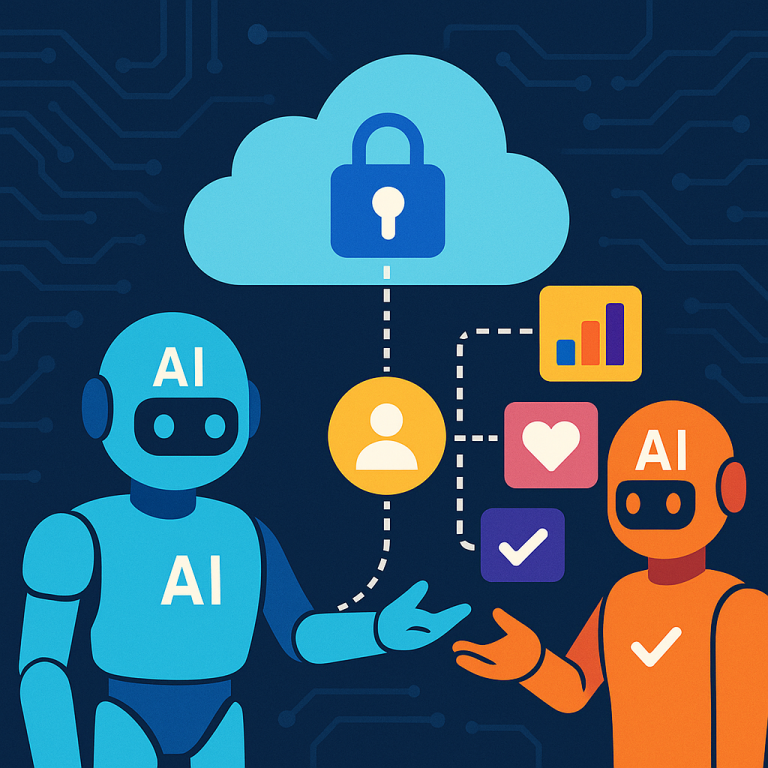
There are also some “multi-agent” AI systems. In these, several AI agents work together to solve a problem. For example, in a smart home, one agent might manage your lights, another your thermostat, and another your security cameras. These agents sometimes need to talk to each other and share data. But the rules about how they share data and keep it safe are often basic. Many systems don’t have strong checks about who can access what information, or ways to make sure your data isn’t shared too widely.
Privacy laws, like Europe’s GDPR, have pushed companies to do more to protect data. Now, apps have to ask for your consent before using your data in certain ways. But the tools for giving or taking away consent are often confusing. Many users don’t really know what they are agreeing to, or how to change their settings.
What has been missing is a way for multiple AI agents to work together in a secure, cloud-based space, using your data for good recommendations, while giving you real control over what is shared and keeping everything private. No system has combined strong data categorization, secure agent-to-agent negotiation, and user-friendly controls for consent and privacy—all in one package.
Invention Description and Key Innovations
Now, let’s break down what this patent application is all about, and why it matters.
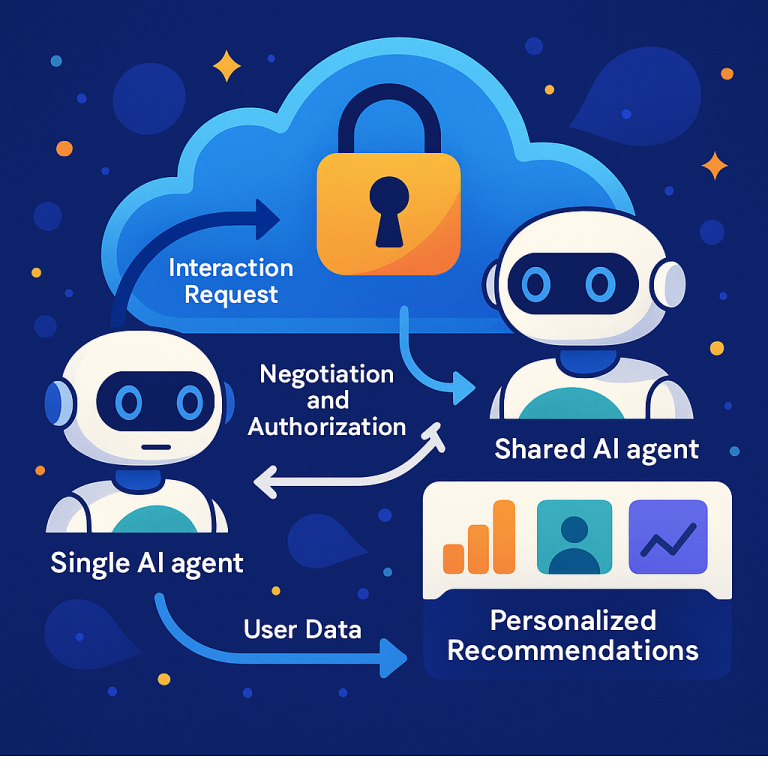
The invention is a system and method for managing data interactions between several AI agents in a secure cloud “enclave.” Imagine this enclave as a virtual room where only trusted agents can enter, and where all actions are logged and checked.
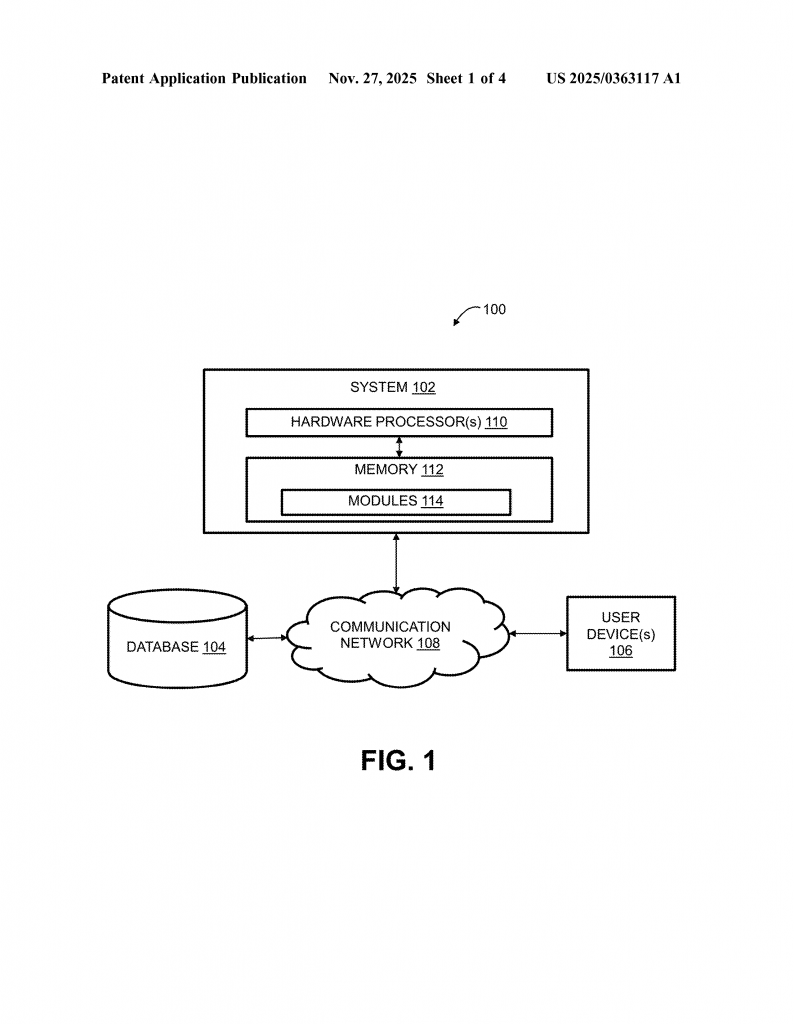
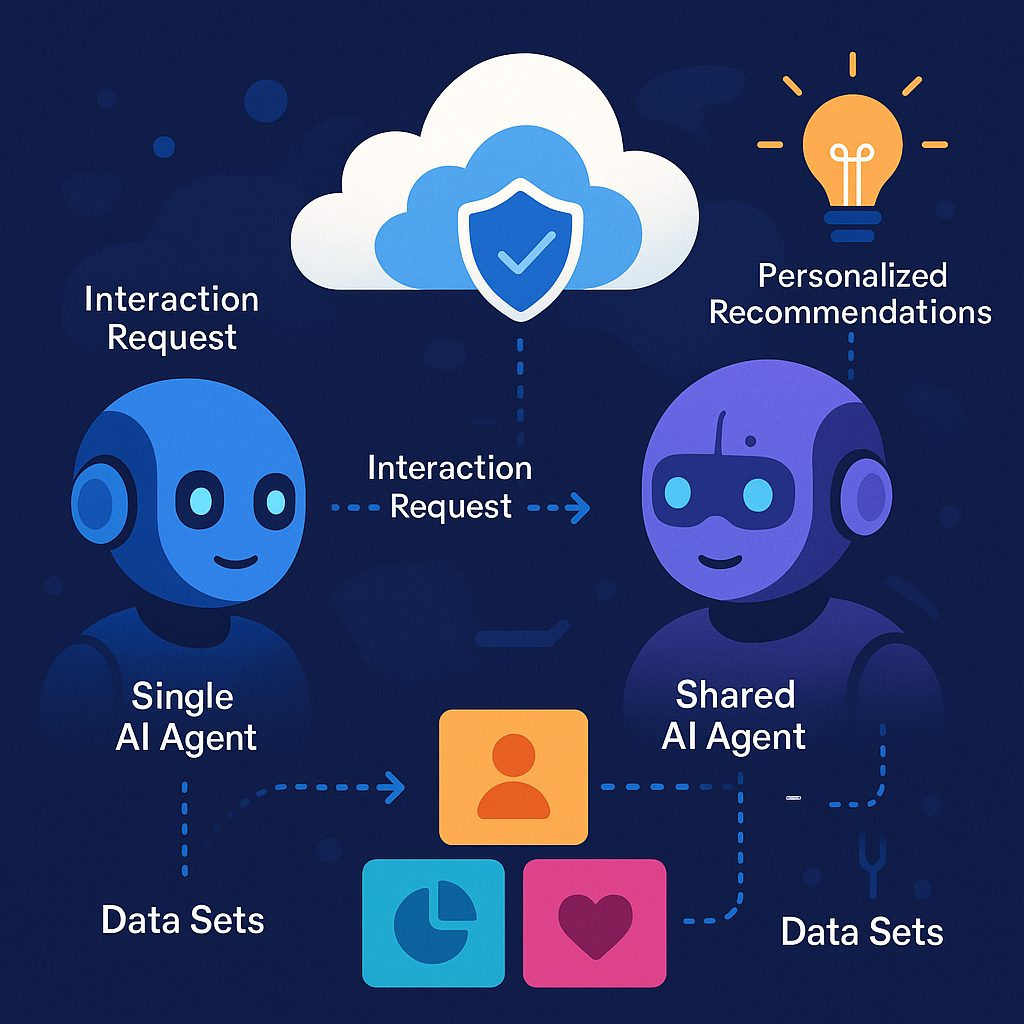
Here’s how it works in simple terms. When you use an app or device, your personal AI agent (your digital helper) may need help from a shared AI agent—like one that manages travel bookings, health advice, or shopping recommendations. Your agent sends a request to interact with the shared agent. But before anything happens, the system checks if your agent is allowed to talk to the shared agent. This step is like a doorman checking a guest list.
If your agent passes the check, it can send some user data to the shared agent. But this data is not just dumped in a pile. The shared agent uses smart rules to pick apart the data, sorting it into categories. These could be things like facts that never change (your birthday), facts that do change (your current location), old preferences (what you liked last year), current preferences (what you want now), and things the AI guesses about you (like if you might want sushi because you eat it often).
The shared agent then uses all these categories to make recommendations that are just for you. Maybe it suggests a new restaurant, a travel route, or a sale on something you like. But here’s the big difference: the system keeps learning. It looks at what happens after it gives you recommendations—do you click, ignore, or take action? It uses this feedback to get better and better at making suggestions, but all the learning happens inside the secure enclave. No raw data is sent out to advertisers or outside services unless you say so.
The system’s database keeps all your data, your preferences, and the history of your interactions safe and organized. This means you can always see what data is stored and how it is being used. The system also gives you tools to decide who can see your data, for how long, and for what reasons. Maybe you want your health data used for wellness advice, but not for ads. You can set this rule, and the system will follow it.
What makes this invention unique is how it brings together several key ideas:
First, it uses strong checks before any AI agents can share data. This stops unauthorized access and keeps data safe. Second, it breaks down your data into smart categories, making it easy to use for personalized recommendations without exposing everything. Third, it puts user consent at the center, giving you simple controls over what is shared. Fourth, it keeps all learning and data processing inside a secure space, so no outside system can peek at your private information. And fifth, it keeps an auditable log of all actions, so you can always see what happened with your data.
The system is not just about one app or one company. It can be used for health care, shopping, travel, education, or any area where data needs to be kept private but also useful. For example, your health data can be used to give you better fitness advice, but never sent to an advertiser unless you allow it. Or your shopping preferences can help you get deals, but your exact purchase history stays private.
The secure cloud-based enclave also means that users are not forced to choose between privacy and personalization. You can have both. The system’s design ensures that only anonymized or summarized data is ever used for things like group trends or targeted ads. Your personal details stay locked away.
The invention also solves the problem of too much data. By sorting data into clear categories, you avoid data clutter. You can find what you need quickly, and the system can make smarter choices about what to suggest to you.
Finally, the system is built with flexibility. As new types of data or new AI agents come along, the system can grow. Its rules and checks can be updated, and new categories of data can be added.
Conclusion
In a world full of data, privacy and personalization often seem at odds. This patent application shows a way to have both. By keeping data secure in a controlled cloud enclave, letting smart AI agents work together, and giving users real control over their information, this invention points to a future where our digital lives are both safe and smart. Whether you care about privacy, want better recommendations, or just want your data to work for you—not against you—this system offers a new, better way forward.
Click here https://ppubs.uspto.gov/pubwebapp/ and search 20250363117.