Next-Generation Battery Design Boosts Power Efficiency and Reliability for Electric Vehicle Manufacturers
Invented by Lee; Jeongjoo, Park; Wonkyu, Kim; Manjin
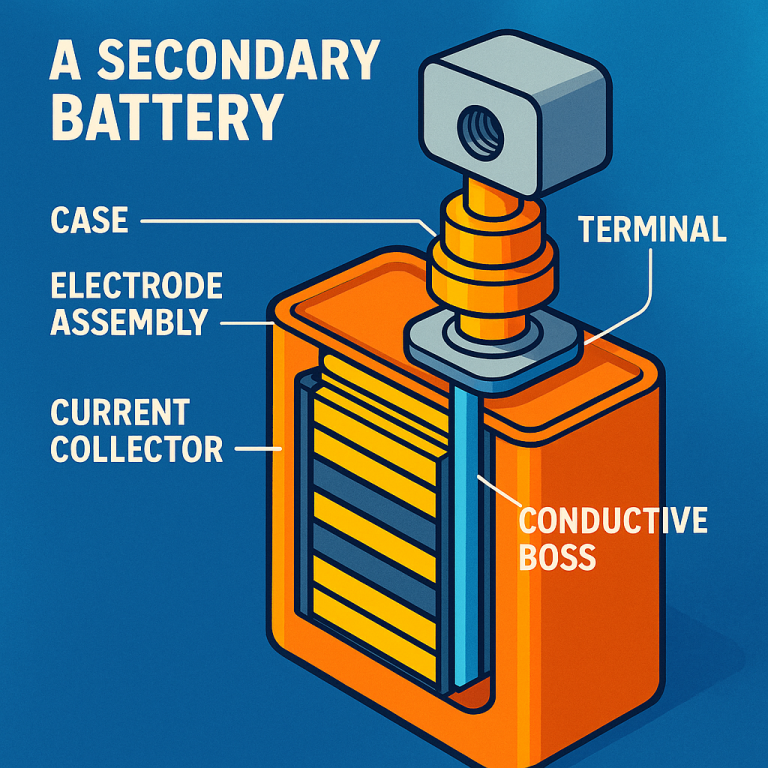
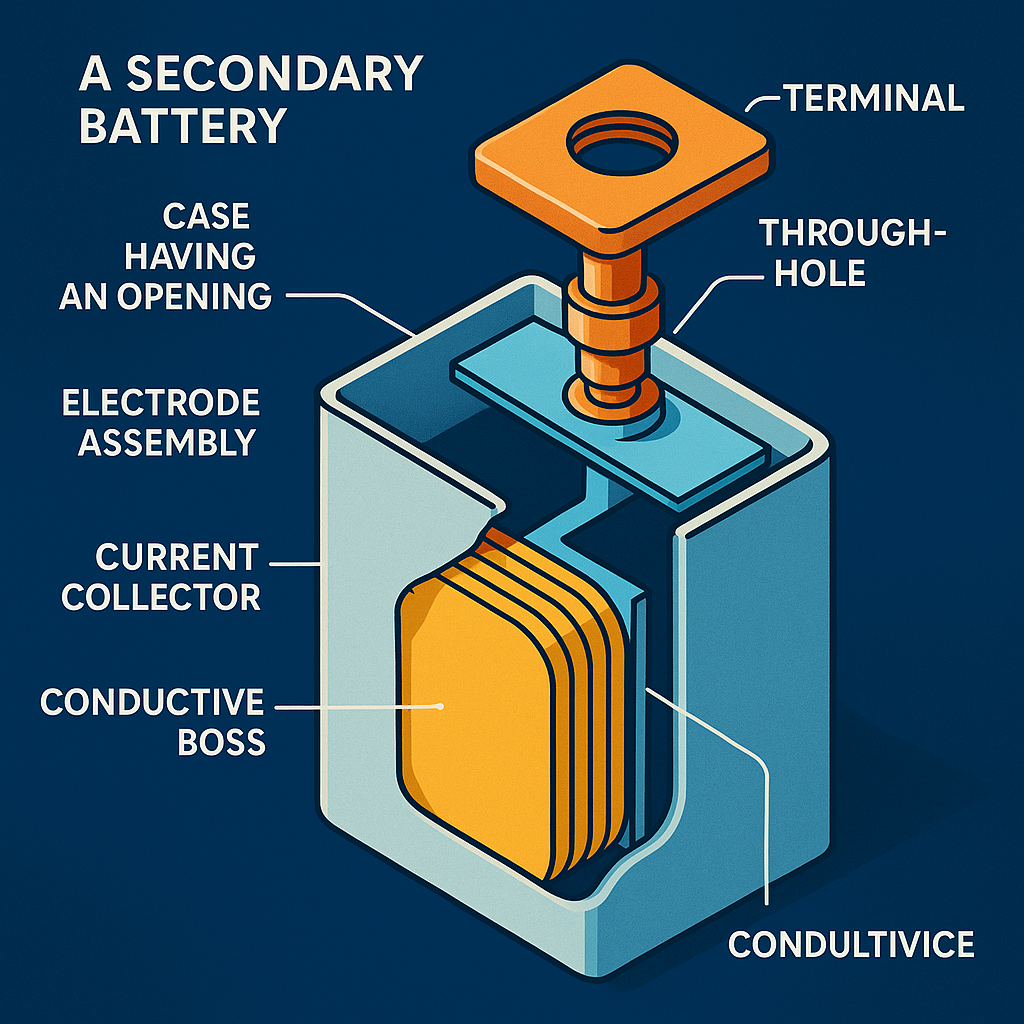
Modern batteries are everywhere. From your phone to your car, they power the world. But making batteries better, safer, and longer-lasting is a big challenge. Today, we look at a new patent that brings a fresh idea to how batteries are built. This new design uses a special part called a “multi-stage conductive boss” to fix real problems in battery welding and safety. Let’s break down what this means and why it matters.
Background and Market Context
Batteries are the heart of our gadgets and vehicles. Over the years, the need for better batteries has only grown. Electric cars, portable electronics, and renewable energy all rely on batteries that must be safe, reliable, and powerful. Most of these use what are known as “secondary batteries.” Unlike regular batteries you throw away, secondary batteries can be charged again and again. This makes them very valuable, but it also means they need to be built with care.
People want their devices to last longer and charge faster. Car makers want batteries that are safe and strong enough to move big vehicles. Energy companies want batteries that can store lots of power from solar and wind without breaking down. All these needs push battery makers to find new ways to improve every part of the battery, from the chemicals inside to the way the pieces fit together.
One big challenge in making batteries is how to connect the inside parts to the outside world. When a battery is made, the pieces need to be joined together in very exact ways. If they are not, the battery can fail, heat up, or even catch fire. Most battery makers use welding to join the metal parts inside the battery. But welding is tricky. The metal pieces must fit together tightly, or the weld will be weak. If there are gaps, the battery won’t work well or could be unsafe.
Laser welding is often used because it is fast and can be controlled by computers. But lasers can sometimes shoot through small gaps and damage the inside of the battery. This problem is even worse as batteries get smaller and more powerful. A small mistake in welding could ruin a whole batch of batteries. So, finding a way to make the parts fit together perfectly and stop the laser from going where it shouldn’t go is very important for battery makers.
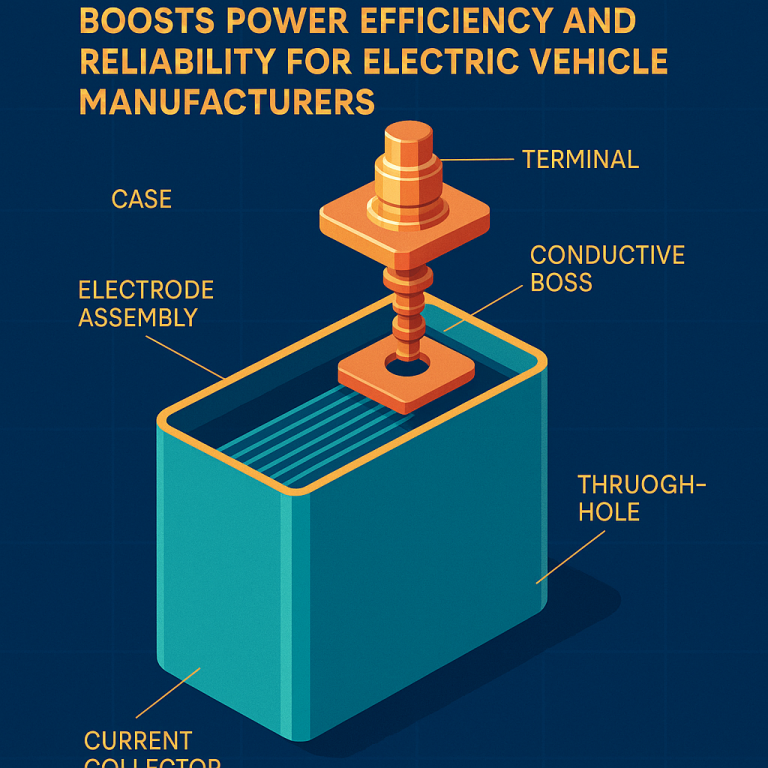
This is where the new patent comes in. It gives a new shape to a key part of the battery called the “current collector.” This part carries electricity from the battery’s core to the outside. The new shape helps the pieces fit together better, makes welding safer, and helps batteries last longer. As more and more devices depend on batteries, advances like this are key to safer and better products everywhere.
Scientific Rationale and Prior Art
To understand the new invention, let’s look at how batteries are built and what has been done before. Inside every battery, there are layers: usually a positive plate, a negative plate, and something in between called a separator. These plates are covered with materials that store and give off energy. To get power out of the battery, these plates need to connect to terminals that you see on the outside—like the plus and minus points on a battery.
The current collector is a metal part that helps carry electricity from the plates inside to the terminal outside. It is usually welded to the terminal. In past designs, the shape of this “boss” (the part of the collector that sticks out to meet the terminal) was simple—a little block or column of metal. The hole in the terminal was also simple, just a round hole for the boss to fit through.
But this simple design caused problems. If the boss and the hole did not line up perfectly, there would be little spaces between them. When a laser was used to weld them together, the laser could slip through these gaps. Sometimes, the laser would shoot into the inside of the battery, damaging the plates or even causing a fire. Even if nothing burned, the weld would be weak. This means the battery might not work for long or could get hot and fail.
Many battery makers tried to fix this by making the boss and the hole tighter or by using more careful machines to line them up. But even small errors caused big troubles. Some tried different shapes for the boss or added extra parts to block the laser, but these fixes were not enough. The main problem was getting the two parts to fit together perfectly every time, and keeping the laser from going where it should not.
Another issue was the strength of the weld. If the boss and the terminal were not in close contact, the weld would not be strong. A weak weld could break under stress, especially if the battery was dropped or used in a car. This could make the battery stop working or become unsafe.
The new patent builds on these past attempts by giving the boss a special “multi-stage” shape. Instead of just one block, the boss has several steps or levels, like a small staircase or a stack of coins. The hole in the terminal is shaped to match. This way, even if the parts are not lined up perfectly, the sloped sides help guide them into place. The different steps block the laser from slipping through. This means a safer, stronger battery every time.
In summary, the old way of joining the collector to the terminal left too much room for error. The new way, with its special shape, fixes these problems and brings a new level of safety and reliability to battery making.
Invention Description and Key Innovations
Now, let’s look closely at what makes this new design special. The heart of the invention is the “multi-stage shape” of the conductive boss and the matching hole in the terminal.
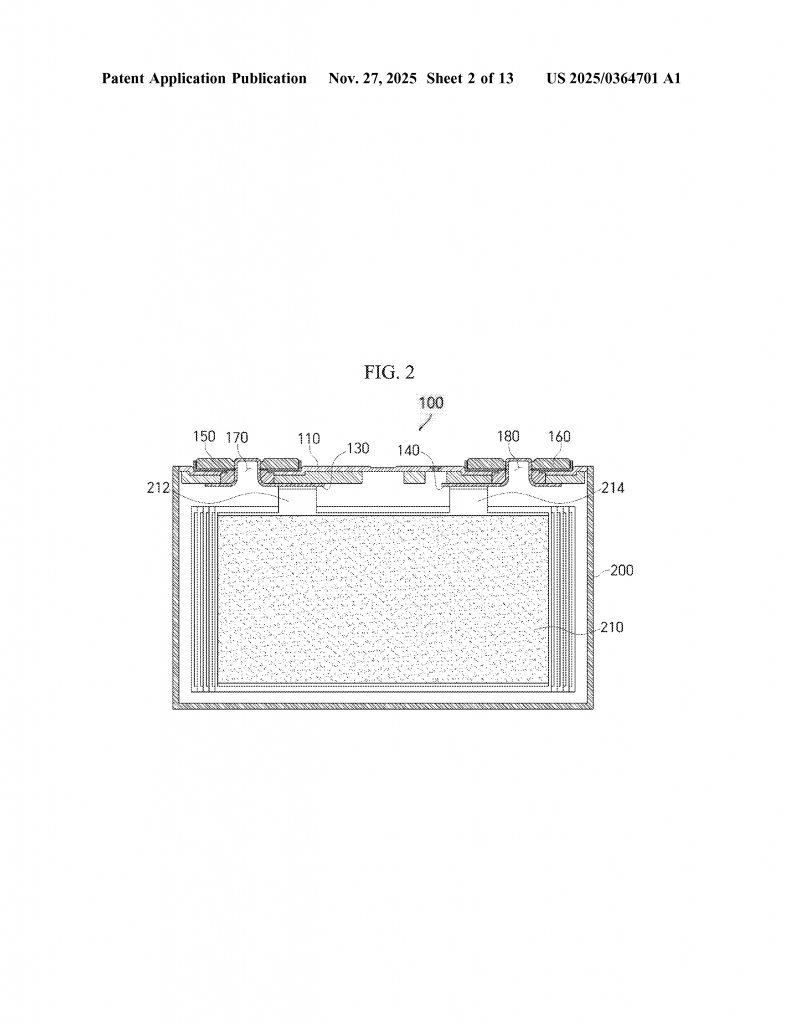
Think of the conductive boss like a small tower with several levels. The first level is wide and flat. The next level is a bit smaller and sits on top. Between the two is a sloped or angled part. Sometimes, there is even a tiny top piece with a groove, like a small peg on top of the tower.
The terminal—the part that sits on the outside of the battery—has a hole that matches this tower shape. The hole has flat areas and sloped sides so the boss can fit in perfectly. When the boss is pushed into the hole, the sloped sides help guide it into place, even if it starts out a little off-center. This self-aligning action is important, because when machines are putting thousands of batteries together, even a small misalignment can happen.
When it’s time to weld, the flat areas of the boss and the terminal are pressed together tightly. This makes the weld very strong. The sloped area acts as a shield, stopping the laser from slipping through any gaps. Even if the laser is a bit off, the shape of the boss and the hole make sure the light doesn’t go inside the battery. This is a big safety win.
Here are some key points about the design:
– The boss has a wide, flat bottom part that blocks the laser and gives a big surface for welding.
– The next level up is smaller and lines up with a matching shelf inside the hole for extra strength.
– The sloped side between the levels helps guide the boss into the hole and makes it easy to line up.
– Sometimes, a small peg or protrusion is added at the very top. This lets a machine grab and pull the boss up to make sure everything is tight before welding. Sometimes there’s even a groove so the machine can grip better.
This design is very flexible. It can be used in batteries where the terminals are on top, on the side, or even in other shapes, like round or coin batteries. The same idea applies: the boss and the hole have matching shapes to guide and lock them together.
The patent also covers the way these pieces are made and put together. The boss is shaped during the making of the current collector, and the hole in the terminal is cut to match. When the battery is assembled, the boss is pushed into the hole, a jig or clamp pulls the parts together tight, and then the welding is done. This process makes sure every battery is strong and safe.
The materials for the boss and the collector are chosen to handle the heat of welding and the stress of daily use. The patent describes how the collector and boss can be made from metals like copper, aluminum, or alloys. The boss can even be made with different sizes or with a groove for extra holding power during assembly.
In the end, this new design solves three big problems: it helps the parts line up every time, it blocks the laser from going inside the battery, and it makes the welds stronger. All of this means batteries that are safer, last longer, and can be made faster and with fewer mistakes.
Conclusion
Batteries are a big part of our lives, and making them better is a job that never ends. The new multi-stage boss technology is a smart fix to real problems in battery making. By shaping the parts to fit together perfectly and block unwanted laser beams, this invention makes batteries safer and more reliable. It also helps companies make more batteries faster, with less waste and fewer safety risks. As we use more electric cars and portable devices, advances like this will help power the future safely and efficiently.
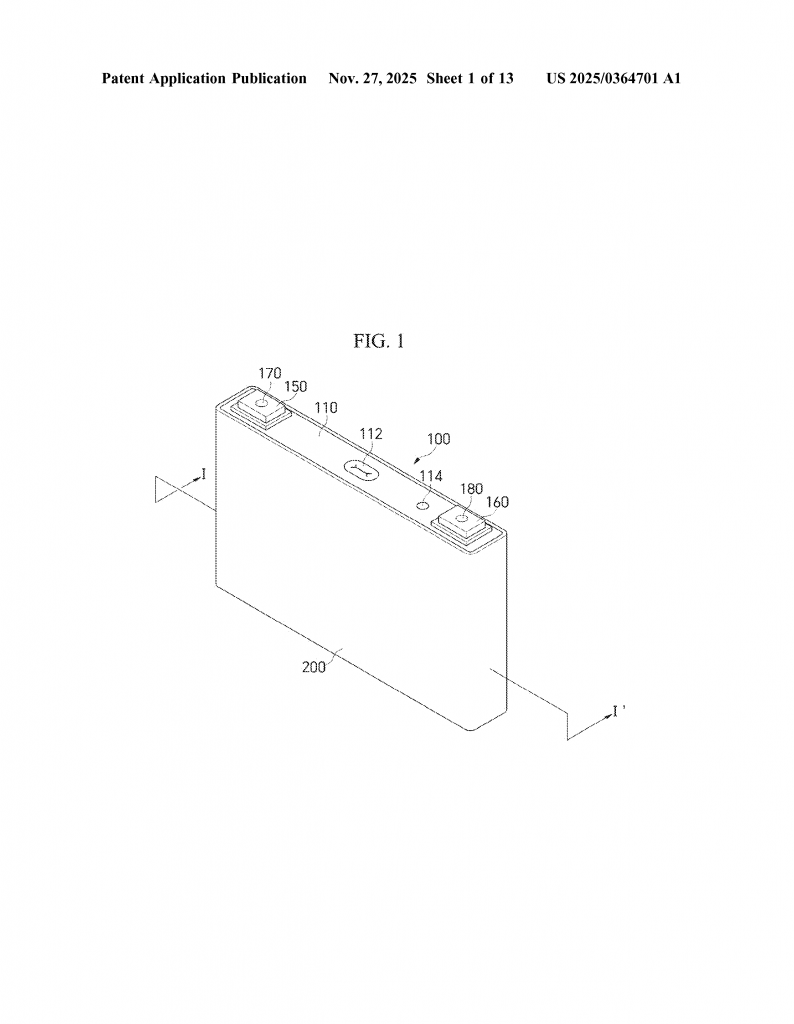
Click here https://ppubs.uspto.gov/pubwebapp/ and search 20250364701.