AI-Powered Chat System Streamlines Customer Interactions for Enhanced User Support and Engagement
Invented by Chandarana; Namaswi, Gada; Tina, Virmani; Ankit, Mudholkar; Ranjeet, Next League Executive Board LLC
The road to getting a U.S. EB-1A Green Card is tough and often confusing. The new EB1A Xpert BOT patent tries to make this journey smoother by using AI to guide people through the process. Let’s break down what makes this invention special, why it matters, and how it works, in clear and simple terms.
Background and Market Context
Many people dream of living and working in the United States. For those with special talents—artists, researchers, business leaders, athletes—the EB-1A Green Card is a golden ticket. It’s a way for people with “extraordinary ability” to become permanent residents without needing an employer to sponsor them. This sounds great, but getting this visa is not easy. Most applicants feel lost because U.S. immigration rules are complicated, the process is full of paperwork, and every applicant’s story is unique.
In the past, people relied on immigration lawyers or consultants. While these experts know the laws, their help can be expensive, slow, and not always tailored to the individual. Many applicants search government websites and online forums, but the information there is often hard to understand or outdated. This leads to stress, wasted time, and sometimes mistakes that can ruin an application.
The creators of the EB1A Xpert BOT saw these problems. They wanted to make the process less scary and more personal. They believed that with the right advice, more people could show their strengths and win their cases. But there was a challenge: how do you give expert, custom guidance to thousands of people at once—and do it affordably?
The answer came from a mix of two ideas: using artificial intelligence (AI), and designing a mobile app that feels friendly and easy to use. By combining the power of AI with smart design, the EB1A Xpert BOT gives each user tailored advice, answers questions instantly, and helps them track their progress, all on their phone.
Market research confirmed that people wanted this kind of tool. Interviews with over 100 EB-1A applicants showed that most felt overwhelmed by complex legal terms. They trusted official sources, but wanted quick, clear answers in plain language. They also wanted to see examples of successful cases, get reminders to keep moving forward, and have a way to ask questions anytime, anywhere. Most found traditional consulting expensive and slow, and were open to trying a mobile app if it was simple and trustworthy.
This is the space where the EB1A Xpert BOT steps in. It doesn’t just answer questions—it guides, encourages, and empowers users throughout their journey. The app is designed to be intuitive, always available, and full of positive reinforcement. Its main goal is to help applicants tell their own stories in the most convincing way, boosting their chances of getting approved.
Scientific Rationale and Prior Art
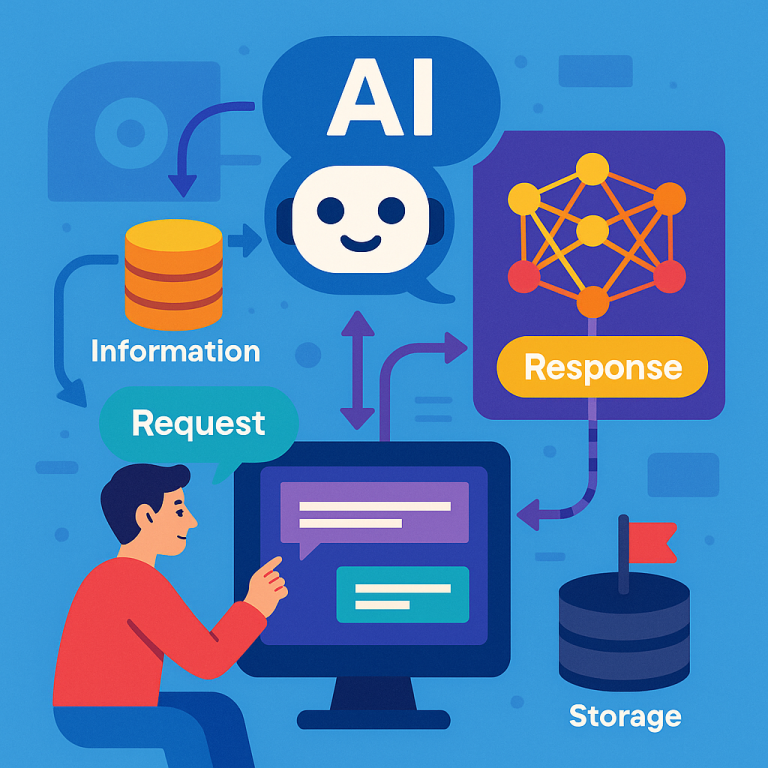
Artificial intelligence, especially language models like GPT, has changed how we interact with computers. These models understand human questions and respond in natural language. In the last few years, businesses have used AI chatbots for customer service, but using them for something as sensitive and complex as immigration guidance is new.
Before this invention, there were some chatbots or digital assistants that answered simple immigration questions or offered basic checklists. Some legal tech companies built tools to help people fill out forms or schedule appointments. A few tried to use AI to scan documents or predict case outcomes, but most were generic, not tailored to the unique EB-1A process. None truly offered the deep, personalized, ongoing support that this patent describes.
What sets this invention apart is how it uses advanced AI in a human way. Instead of just giving stock answers, the EB1A Xpert BOT learns from each user’s background and needs. It uses techniques like retrieval-augmented generation (RAG), which means it can pull in the latest information from trusted sources to answer even complex or changing questions. The system can be updated as immigration rules change, avoiding the common pitfall of chatbots giving outdated advice.
The invention’s creators also recognized that EB-1A cases are judged not just on rules, but on how well applicants present their achievements and potential. This requires understanding the person’s story, strengths, and field. Prior art did not address these “soft” factors—like building confidence, tracking personal growth, or nudging users to take steps that improve their profiles. The EB1A Xpert BOT is the first to blend technical guidance with personal development.
From a technical point of view, the system uses a mix of machine learning models, secure cloud storage, and a mobile-first design. The AI models are trained not only on legal texts, but also on real EB-1A cases, success stories, and expert advice. The app uses modern software practices—such as microservices, caching, encryption, and load balancing—to ensure it is fast, reliable, and safe.
When compared to existing legal tech, the EB1A Xpert BOT introduces several firsts:
- Personalized, adaptive advice based on each user’s achievements and needs
- Real-time updates as laws or policies change
- Built-in reminders and progress tracking to keep users on track
- Offline access for common questions, so users are never left without help
- Careful attention to data privacy and security
- Friendly, supportive tone—avoiding negative language and building user confidence
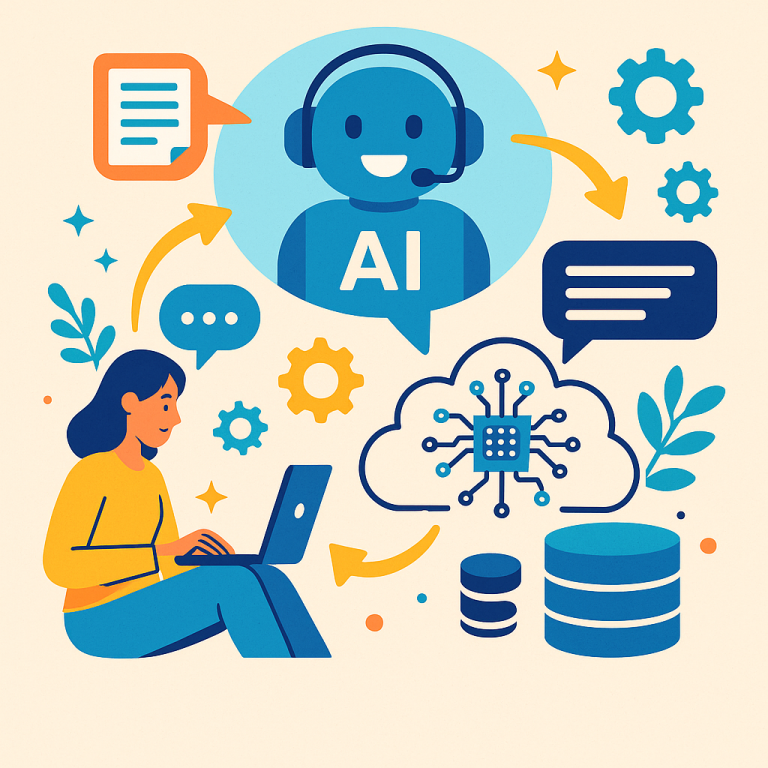
Importantly, this invention also stands out for its user research and design. It is based on hours of interviews, testing, and feedback from real applicants. Every feature, from the splash screens to the way the chatbot responds, was shaped by what users said they needed most.
Invention Description and Key Innovations
Let’s look at how the EB1A Xpert BOT actually works, step by step, and what makes its approach unique and powerful.
At the heart of the system is a conversation engine powered by a large language model (LLM), such as GPT. Here’s what happens when a user interacts with the app:
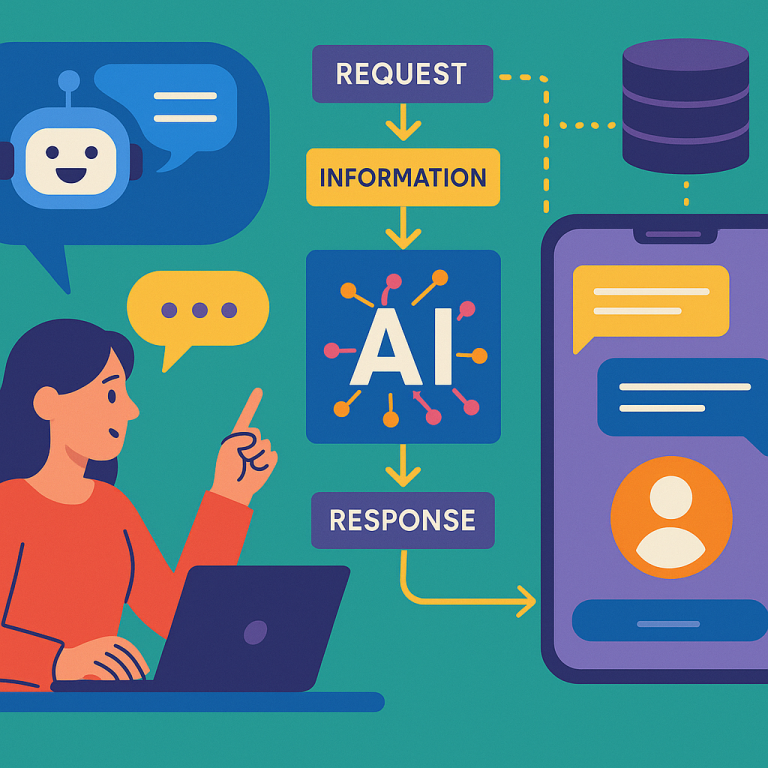
1. The user opens the mobile app and types a question or request about the EB-1A process—maybe “What evidence do I need to prove my extraordinary ability?” or “How do I improve my chances?”
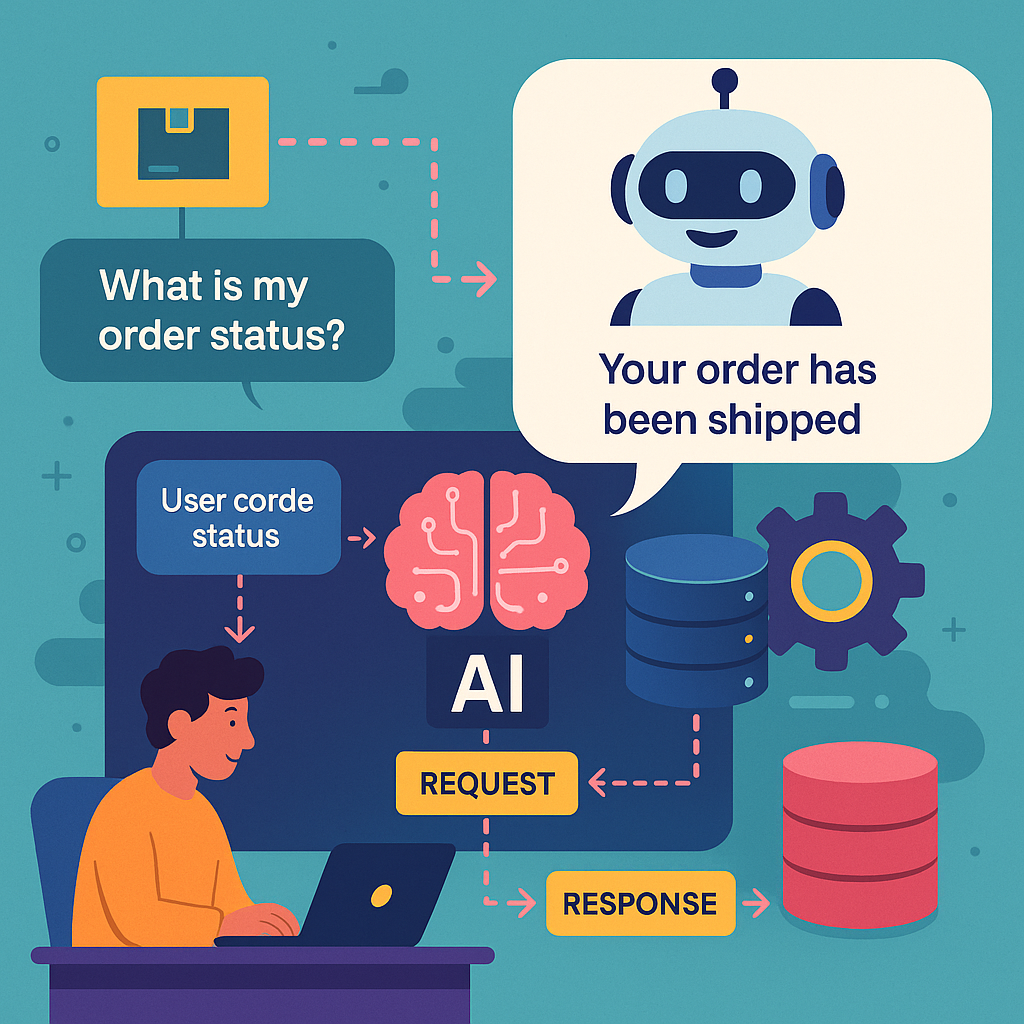
2. The app sends this request to a secure server in the cloud. The server checks if the request is new or if it matches a common question in its cache. If it’s a common question, the answer comes back instantly.
3. If the question is new or more complex, the server forwards it to the AI language model. This model doesn’t just answer in a vacuum; it pulls in information from a special knowledge base built from policy documents, real cases, and up-to-date regulations. It uses retrieval-augmented generation (RAG) to blend its own language skills with the latest trusted data.
4. The AI also considers the user’s background, achievements, and where they are in their EB-1A journey. It adapts its response—using a positive, encouraging tone, summarizing key points in bullet form, and avoiding negative words. If it doesn’t know the answer, it says so honestly.
5. The app can also take proactive steps. If it notices that the user needs to write an article or gather more evidence, it will suggest these as tasks, send reminders, or offer templates to help.
6. All conversations and tasks are stored securely, so users can come back later and pick up where they left off.
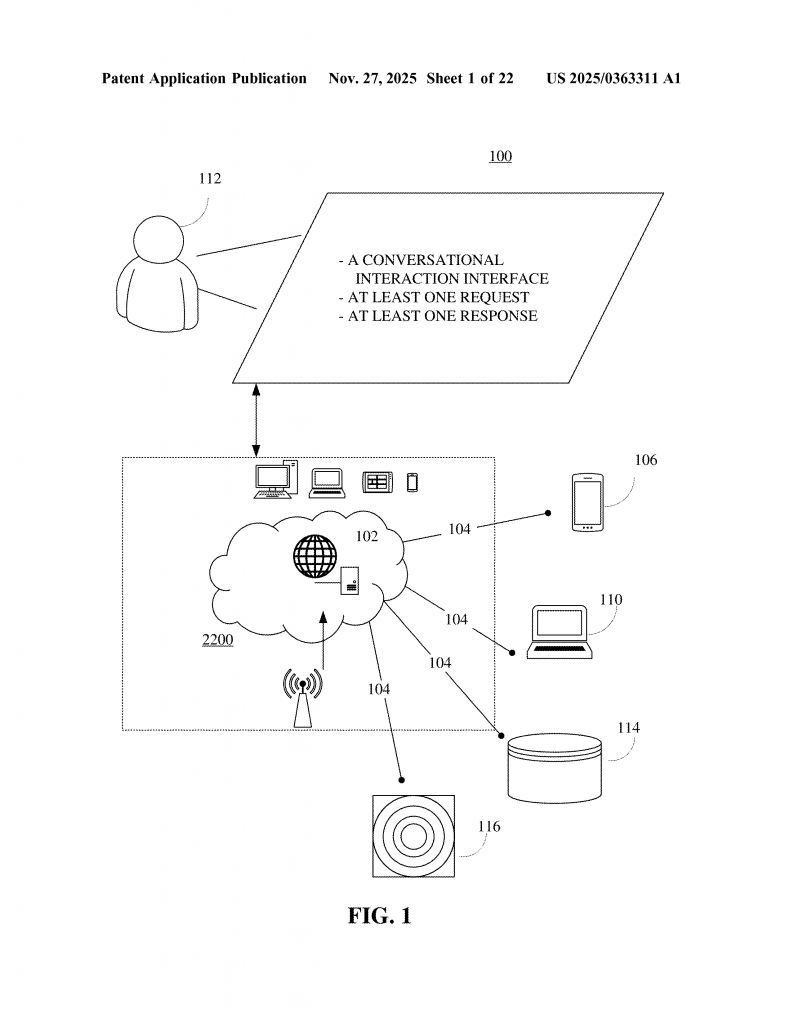
7. If the user is offline, the app still answers the most common questions using encrypted data stored on the phone.
From a technical angle, several key elements make this possible:
– Advanced Prompt Engineering: Before sending a user’s question to the AI, the system pre-processes it. This helps the AI understand the request better and generate more relevant answers. For example, it adds context about the user, their field, and what they’re trying to achieve.
– Retrieval-Augmented Generation (RAG): This feature means the AI doesn’t just rely on what it learned during training. It can pull in new, real-world data—like the latest immigration news or recent policy changes—to make sure answers are always current.
– Personalization and Progress Tracking: The app builds a profile for each user, tracking their achievements, strengths, and which EB-1A criteria they still need to meet. It shows progress bars and gives step-by-step suggestions.
– Positive, Empathetic User Experience: The chatbot never uses discouraging words. Instead, it highlights what the user is doing well and suggests ways to improve, making a tough process feel more possible.
– Offline and Caching Support: By caching answers to common questions and storing them on the device, the app stays helpful even when there’s no internet connection.
– Security and Privacy: All user data is encrypted, both in storage and during transmission. Users can delete their data or account at any time. The app follows strict privacy rules, including GDPR and HIPAA where applicable.
– Continuous Learning and Feedback: The system tracks which answers are most helpful, listens to user feedback, and updates itself. It can run A/B tests to see which versions of prompts or suggestions work best, and quickly improve over time.
The invention also includes careful design choices to make everything easy and pleasant. The app uses clear fonts and high-contrast colors for readability. It offers accessibility features like text-to-speech for those who prefer listening. Splash screens and friendly illustrations make users feel welcome. A human-like “persona” gives the chatbot a relatable voice, making it feel like talking to a real EB-1A success story.
On the backend, the system is built with modern software tools. It uses Node.js for the server, MySQL for data storage, and Swift for the iOS app. The server uses a queue-and-worker system to handle many requests at once, so the app stays fast even if thousands of people are using it at the same time. Rate limiting and caching prevent overload and keep costs down.
The knowledge base is updated regularly by importing new policy documents, real case studies, and expert tips. When new videos or documents are added to the Next League Program (a resource for EB-1A applicants), these are transcribed and included so the AI can use them to answer user questions.
To sum up, the EB1A Xpert BOT is more than just a chatbot. It’s a full support system designed to walk each applicant through the EB-1A journey—from learning about the process, to tracking progress, to finally submitting a strong case. Its key innovations are:
- Using AI not just for generic answers, but for real, tailored guidance based on each person’s needs
- Keeping advice up to date with the latest immigration rules using RAG
- Making the process less stressful by giving reminders, encouragement, and easy-to-use templates
- Making expert help affordable and available 24/7
- Ensuring privacy and security at every step
- Learning from user feedback to get better every day
Looking ahead, the inventors plan to expand the system to cover more types of visas, work with professional organizations to add more expertise, and use even smarter AI to give deeper, more nuanced advice. The goal is to make high-quality immigration help available to everyone, no matter where they are or what their background is.
Conclusion
The EB1A Xpert BOT patent is a leap forward for immigration guidance. By bringing together advanced AI, user-centered design, and careful attention to privacy, it levels the playing field for people hoping to build a new life in America. It shows how technology can make tough processes human, helpful, and hopeful. If you’re facing a complicated journey—like applying for the EB-1A Green Card—tools like this can turn confusion into confidence, and uncertainty into action.
Click here https://ppubs.uspto.gov/pubwebapp/ and search 20250363311.